Corbett Travel Guide
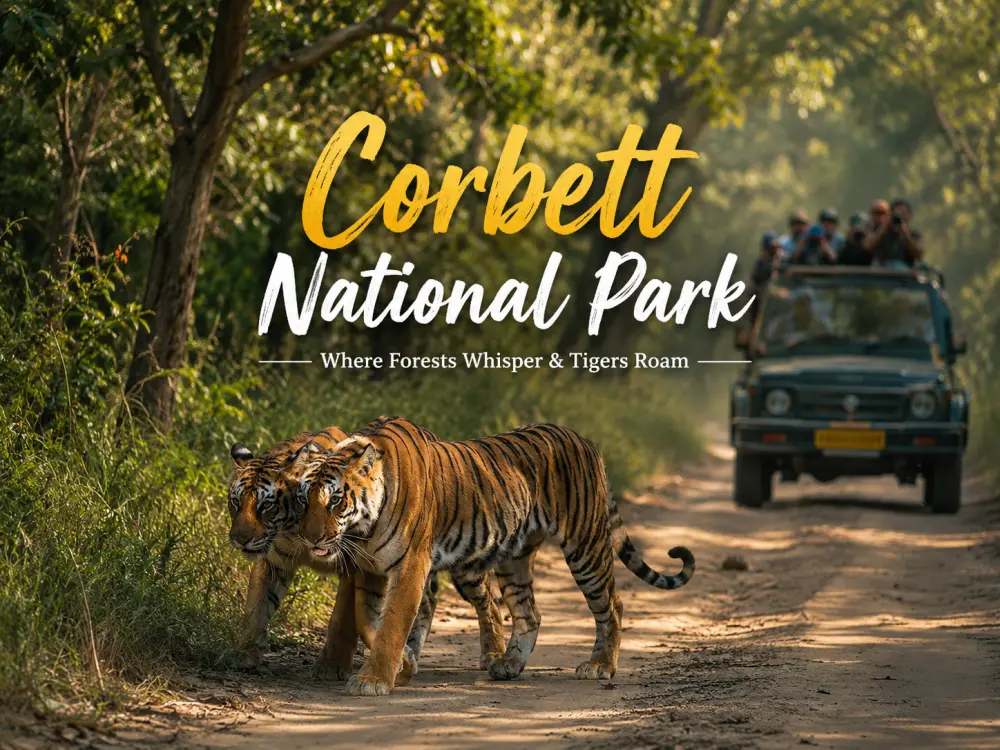
Located in the foothills of the Himalayas in Uttarakhand, Corbett National Park is known for its rich wildlife, breathtaking landscapes, and thrilling jungle safaris. Whether you're an adventure enthusiast, wildlife photographer, bird watcher, or family traveler, Corbett offers an unforgettable experience in the lap of nature.
Corbett is more than just a wildlife destination. It's a place where nature, adventure, and conservation come together. Every safari brings a sense of excitement, every forest trail tells a story, and every wildlife encounter becomes a memory worth cherishing.
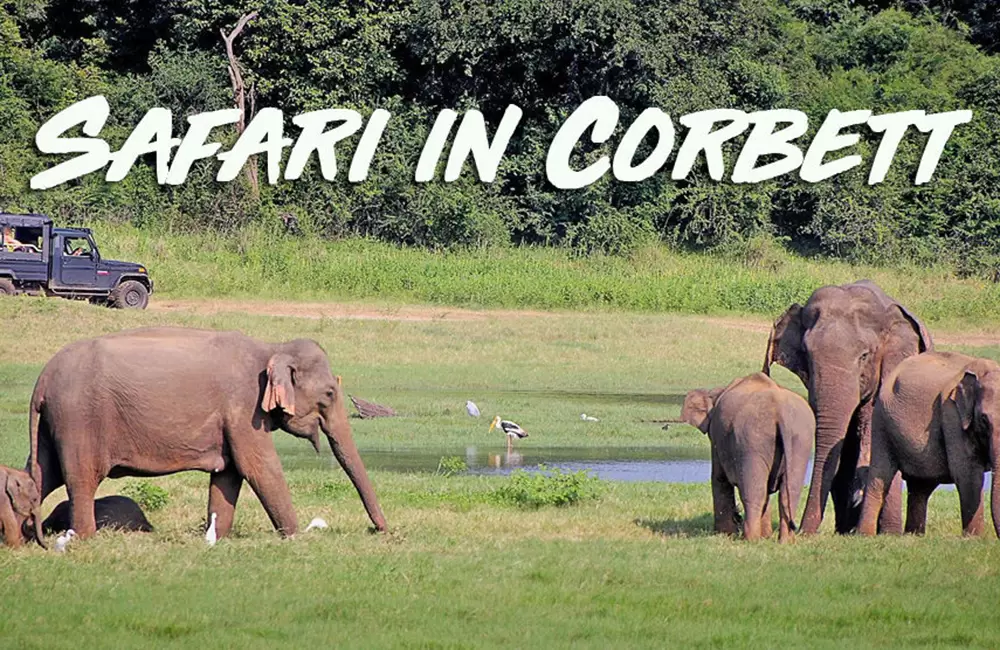
Whether you spot a tiger, watch a herd of elephants, or simply enjoy the peaceful beauty of the jungle, Corbett offers experiences that stay with you long after your trip ends.
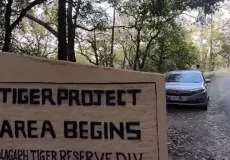
- India’s oldest national park and the birthplace of Project Tiger.
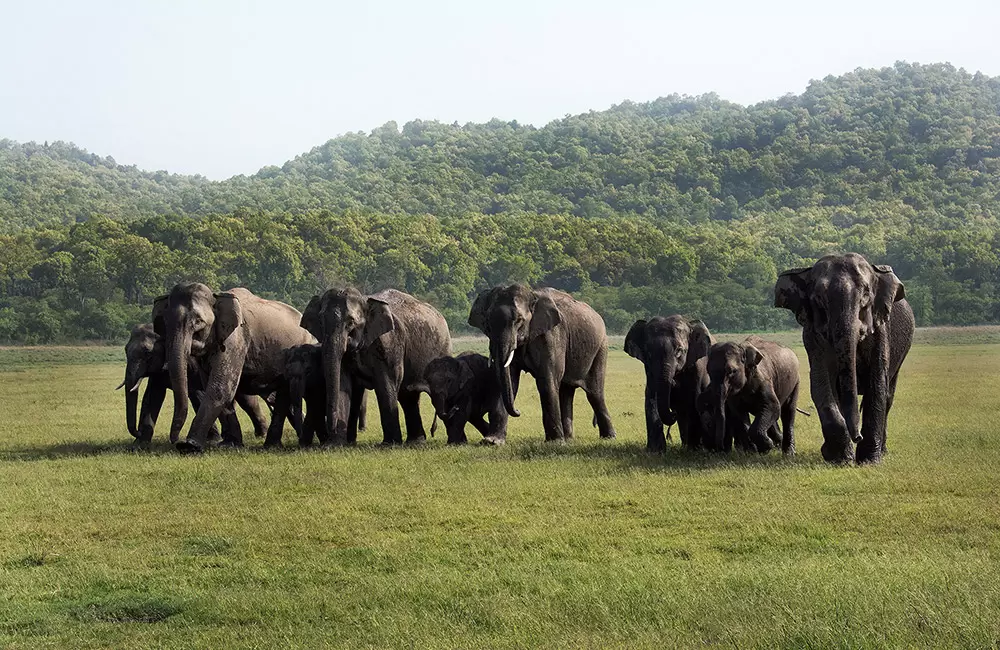
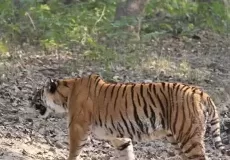
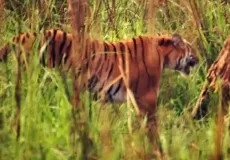
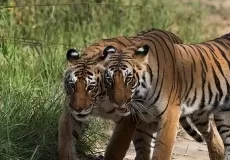
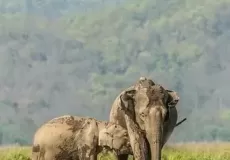
- Famous for Royal Bengal Tigers, elephants, leopards and rich wildlife.
- Offers thrilling jeep safaris through forests, grasslands and river belts.
- One of the best birdwatching destinations in India with 600+ bird species.
- Perfect getaway for wildlife lovers, photographers and nature enthusiasts.
- Beautiful mix of rivers, dense forests and Himalayan foothill landscapes.
Flora and Fauna in Jim Corbett National Park
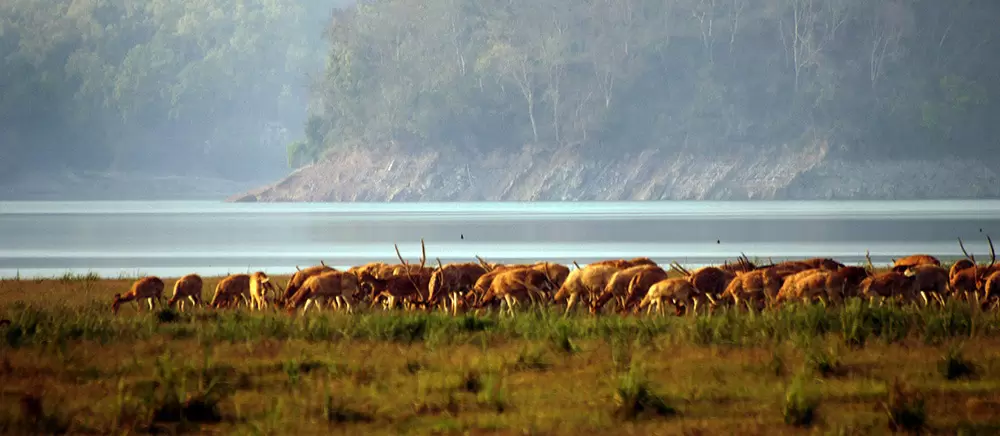
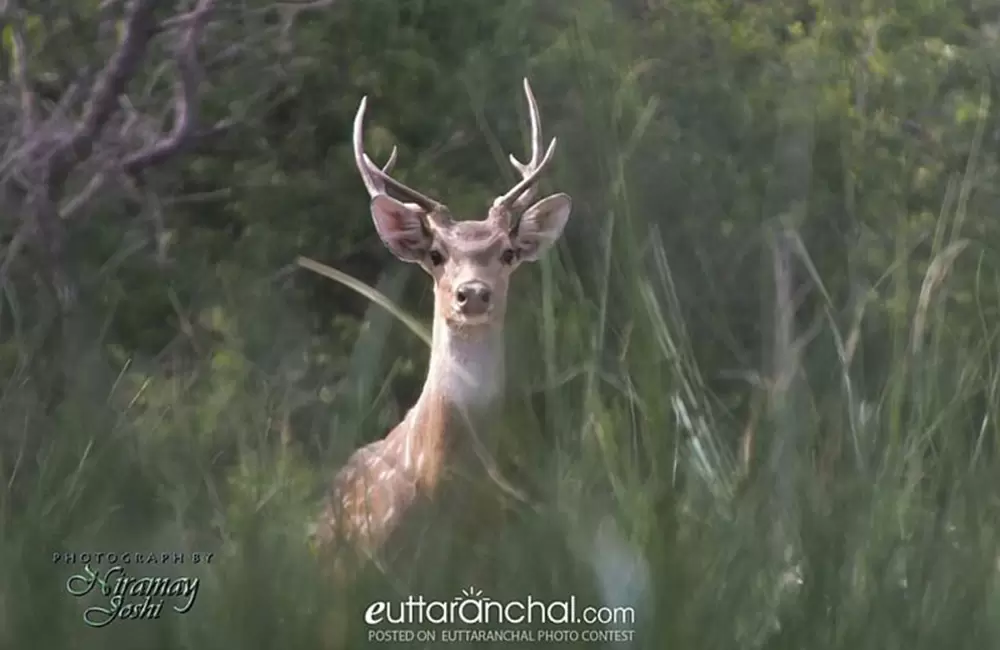
The park contains 488 different species of plants and a wide variety of wildlife including Elephants, Tigers, Chital, Sambar Deer, Nilgai, Gharial, King Cobra, Muntjac, wild boar, Hedgehog, common Musk Shrew, Flying fox, Indian Pangolin, and around 600 different species of birds. Jim Corbett National Park covers an area of 521sq. kms.
Corbett National Park acts as a protected area of critically endangered Bengal Tiger of India. Corbett National Park is one of the best managed and protected areas in the country and attracts thousands of Indian and Foreign visitors each year.
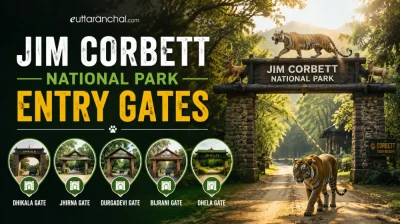
The park is situated at the foothills of Himalayan belt and has various geographical and ecological characteristics with splendid landscapes. There are four gates which acts as entrance to the Park, which are Amdanda gate, Dhangarhi gate, Khara gate and Durga devi gate.
Please Note: It is always advisable to book safaris prior to arrival, especially during weekends as there are only 60 vehicles allowed inside the Corbett National Park at a time. Depending on the number of guests, the estimated cost of safari vehicles will be between Rs 2600 - Rs 4000. Guests can directly contact the hotels and book their safaris.
Jim Corbett Safari Zones, Opening Dates, Timings & Safari Cost (2026)
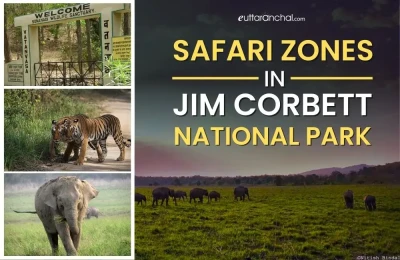
Jim Corbett National Park offers multiple safari zones known for tiger sightings, birdwatching, river landscapes and dense Sal forests. Visitors can choose from popular tourism zones like Dhikala, Bijrani, Jhirna, Dhela, Garjiya, Durga Devi, Sonanadi and Pakhro.
Dhikala Zone: The most famous zone of Corbett National Park. Jeep Safari, Canter Safari and night stay facilities are available. Entry is through Dhangarhi Gate.
Bijrani Zone: One of the best zones for wildlife sightings and photography. Entry is through Amdanda Gate near Ramnagar.
Jhirna & Dhela Zones: These zones generally remain open throughout the year and are popular for tiger, elephant and sloth bear sightings.
Garjiya, Durga Devi, Sonanadi & Pakhro Zones: Known for scenic forest landscapes, birdwatching opportunities and rich wildlife diversity.
Corbett National Park Opening Dates 2026
- Bijrani & Garjiya Zones: 15 October 2026 to 30 June 2027
- Durga Devi, Sonanadi, Pakhro & Dhikala Zones: 15 November 2026 to 15 June 2027
- Jhirna & Dhela Zones: Open throughout the year (subject to weather conditions)
Corbett Safari Timings
- Morning Safari: 06:00 AM – 09:30 AM
- Evening Safari: 02:30 PM – 06:00 PM
- Dhikala Canter Safari: 06:00 AM – 11:30 AM & 12:00 PM – 05:30 PM
Corbett Safari Charges (2026)
Jeep Safari Permit Charges:
- Indian Visitors: INR 3,380 Permit + Vehicle & Guide Charges
- Foreign Visitors: INR 6,680 Permit + Vehicle & Guide Charges
Vehicle Charges:
- Bijrani Zone: INR 2,700
- Jhirna, Dhela, Garjiya & Durga Devi Zones: INR 3,000
- Sonanadi Zone: INR 2,800 – INR 4,500
- Pakhro Zone: INR 2,800
- Guide Fee: INR 900 (Applicable in most zones)
A safari permit allows entry for up to 6 visitors (including children as per park rules). Safari charges may be revised by Corbett Tiger Reserve authorities from time to time.
Safari Zones and Gates in Jim Corbett National Park
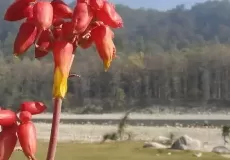
- Jhirna: A densely wooded and grassland habitat, it makes for excellent bird viewing. The Great Hornbill is found in abundance here. Jhirna is home to a population of sloth bear and wild elephants and a growing tiger population. A large grove of 'Flame of the forest' adds drama to Jhirna. A strong prey base of nilgai, cheetal, sambhar and the wild boar also makes it an attractive area for the big cats, while a resident wild elephant and sloth bear population offer great sighting opportunities.
- Bijrani: These forests range from those of pure Sal on the upper reaches, to deciduous mixed forests in the valley, along with three major grasslands. It sustains a variety of herbivores, and has a wide network of jungle roads, making Bijrani excellent tiger sighting territory. carved out of a shooting block, with a wide network of criss-crossing jungle roads, offers excellent tiger sighting opportunity. On Corbett's eastern boundary, Bijrani's forests are dense with a wide variety of vegetation: of pure Sal forests on the upper reaches and tropical moist, deciduous mixed forests in the valley and plains. Excellent water availability throughout the year and wide grasslands make it an exceptional habitat for a strong prey base and its predator.
- Dhikala: This is the largest and most varied zone in Corbett, offering the best opportunities for overnight stays. Dhikala contains a diverse range of habitats: its higher reaches suit Ghoral, a goat antelope, while the Gharial and Maggars, as well as the great Mahaseer, inhabit the rivers below. The hog deer is also exclusive to Dhikala. Dhikala offers the most varied terrain in all and, if booked well in advance, the widest range of Forest Rest House accommodations in the park. This block of forest has the Ramganga river stretch through its middle, emptying into a wide, multiple-necked reservoir.
- Durga Devi Zone: This range is famous for bird watching and fishing 'Mahasheer', a large fish species. Durga Devi is at north-east corner of Corbett Park, birds species like maroon orile, great headed fishing eagle, little forktail and many more. Mandal and Ramganga river in this forest attracts wild elephants, leopards and Tigers.
- Sonanadi: A centre range in the Corbet National Park, Sonanadi range is famous for wildlife beauty with amazing flora and fauna. Over 550 species of birds are recorded here with leopard, tiger, cheetal, sambhar and raptiles.
- Phato: This zone provides buffer forest to southern Corbett, comprising mostly of plantation forests.
Best Time for Tiger Sightings in Corbett
While tiger sightings can never be guaranteed, your chances are generally higher during:
- March to June
- Early morning safaris
- Late afternoon safari sessions
Activities in Corbett National Park
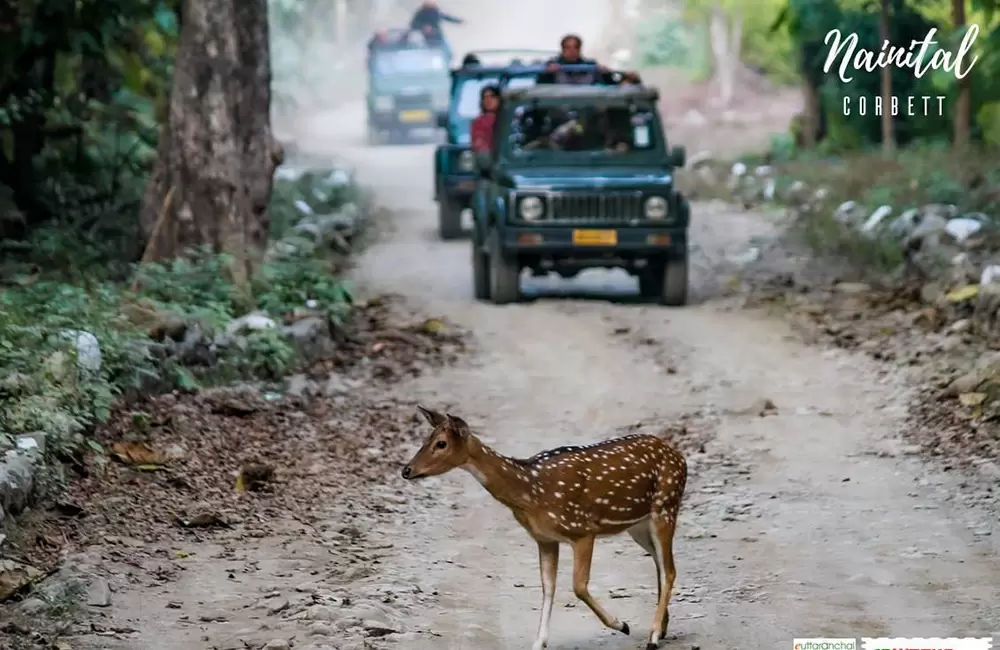
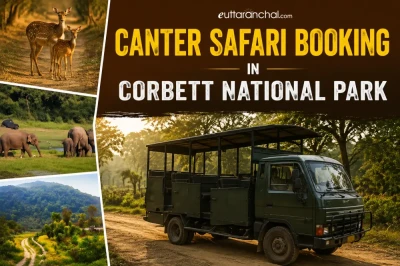
Jungle Safari: One of the most preferred activities for which tourists come to Jim Corbett is the Jungle Safari with options like Elephant Safari, Jeep Safari and Canter Safari. Tourists are offered jeep rides traversing through the jungle where they could spot wild animals like elephants, deer, langurs, leopards, crocodiles any many more. If one is lucky enough, the king of the jungle, the Bengal tiger could make a royal entrance. For more adventurous travelers, elephant safari is an option.
Wildlife Photography: Corbett National Park is a haven for wildlife enthusiasts. All you need is a digital camera and one can capture stunning photographs of a variety of flora and fauna in wild. Although for capturing a perfect shot of the tiger, one has to have enormous patience.
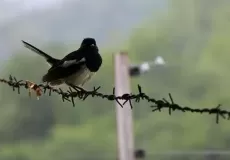
Bird Watching in Corbett: More than 500 species birds have been recorded in Corbett National Park area. Some of the most popular birds spotted are Lesser Fish Eagle, Cinereous Vulture, Pallas's Fish Eagle, Tawny Fish and Spot-bellied Eagle Owl, Great Slaty Woodpecker, Ibisbill, Wallcreeper, Hodgson's Bushchat, Bright-headed Cisticola, Rosy Minivet, White-tailed Rubythroat are just some of the species that are regularly seen in and around the park. Enjoy birding in Corbett along with wildlife safari.
Fishing: The catchment area offers Ramganga River offers various opportunities for catching fishes. Quite a few licensed fishing camps are set up on the banks of the river for angling especially catching Mahseer fishes.
Rafting: For adventurous souls, rafting in the rapid and turbulent waters of Ram Ganga River is quite a thrilling experience. There are grade I and II rapids at Jim Corbett park. However, rafting season at Jim Corbett is permitted only in the monsoons.
Staying in Corbett National Park
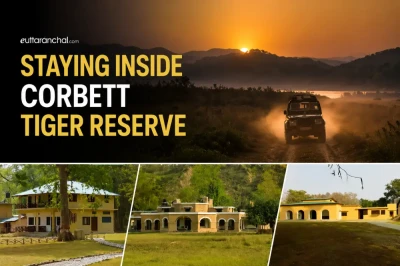
Being one of the famous wildlife sanctuaries in India, thousands of wildlife enthusiasts visit Corbett National Park in Ramnagar. There are plenty of accommodations available in and around the park where one can relax and rejuvenate with their friends and family amidst the lap of nature. These include luxurious hotels and resorts equipped with high-end amenities to budget guest houses, cottages and camps. Check out Corbett hotels and resorts.
Corbett National Park Food Guide
Since Corbett National Park is a Tiger reserve, restaurants are not permitted inside the protected area. One can find plenty of eating options outside the protected zone. Resorts have in-house restaurants and bar that serve all kinds of delectable cuisines from North Indian, Continental, Chinese, Mughlai and much more. Apart from this one can also try the local Kumaoni dishes.
History of Corbett National Park
Initially, some of the areas of the Corbett National Park were a part of the princely Tehri Garhwal dynasty. The dense forests were cleared to make the area less vulnerable to the Rohilla invaders. In order to banish the Gurkhas from his domain, the Raja of Tehri renounced some part of his princely state to the East India Company.
Boksas, a tribe from Terai region then settled here and began farming until the early 1860s, but with the introduction of the British Rule, they were forced to leave. The first step for protecting the area was taken in 1868, with the birth of the British Forest Department, who prohibited cultivation here. The operation of the cattle stations came under Major Ramsay, the British Officer who was in-charge of the area during that time.
In 1879, the forests were constituted into a reserve forest. In the early years of the 1900s, several Britishers including E.R Stevens and E.A. Smythies suggested that a national park should be built in this place. The British administration then came up with the idea of setting up a game reserve in 1907.
In 1930s, when the authorities came up with the plan of demarcation of the area, Jim Corbett assisted them, as he knew the area well. In 1936, when Sir Malcolm Hailey was the Governor of the United Provinces, a reserve by the name of Hailey National Park, sprawling over 323.75 km2 (125.00 sq mi) gave birth to Asia's first national park. After that strict guidelines and laws were made against killing and capturing of mammals, reptiles and birds within the park’s boundaries.
In the midst of 1954-55, the reserve was renamed as Ramganga National Park and its name was again changed in 1955-56 and was kept as Corbett National Park to honor the well-known author and wildlife conservationist, Jim Corbett who played a vital role in creating the reserve, by persuading the provincial government for establishing it.
Sadly, during the bloodshed of the Second World War, the area of Corbett National Park witnessed excessive poaching and timber cutting. But in 1991, about 797.72 km2 (308.00 sq mi) area was added as a buffer zone to the Kalagarh Tiger Reserve, which included the entire Kalagarh forest division, assimilating the 301.18 km2 (116.29 sq mi) area of Sonanadi Wildlife Sanctuary as a part of the Kalagarh division.
In 1974, it was chosen as the site for launching a noble and ambitious wildlife conservation project called the Project Tiger. At present, the Corbett National Park's headquarters are based in Nainital district, from where it is administered.
Jim Corbett National Park Safari and Other Activity Rates
Disclaimer: Kindly check the latest prices for various activities and safari rates with official website of Jim Corbett National Park. The following rates are subject to change without prior notice.
Day visit entry fee for Bijrani, Sonanadi, Jhirna, Domunda/Durga Devi (per person/per visit for 4 hrs)
| Rs 500/- Indian, Rs 1500/- Foreigner
|
Vehicle Fee (Light Vehicle to Heavy Vehicle)
| Rs 500/- to 1500/- (Depends on vehicle)
|
Photography (Commercial)
| Rs 500/- Indian, Rs 1500/- Foreigner
|
Elephant Ride (per person for 2 hrs)
| Rs 300/- Indian, Rs 1000/- Foreigner
|
Elephant Safari (for a day)
| Rs 3000/-
|
Ramganaga Conducted Tour
| Rs 1000/- Indian, Rs 2000/- Foreigner
|
Check out the official website of Corbett National Park for booking of Safari in Jhirna, Dhikala and Bijrani Zones: https://corbettonline.uk.gov.in
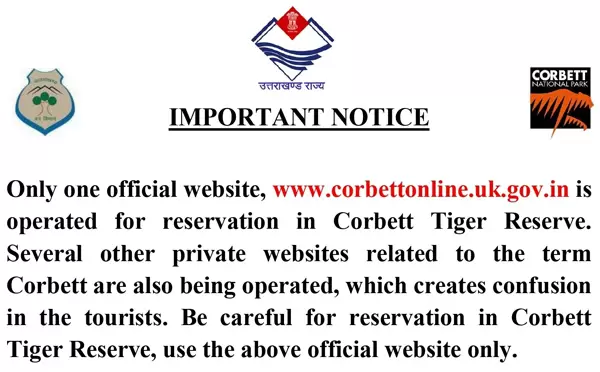
Corbett Online UK Govt: Notice regarding official website for reservation in Corbett Tiger Reserve
Corbett Safari online booking Guidelines
- To ensure your safety and security, it is strongly recommended to book directly through the official website ( https://corbettgov.org/). By booking directly on the official website, you ensure a safe and secure booking experience and avoid potential financial losses.
- The new Gypsy allocation system is now live: You can allocate your Gypsy between 4-10 days prior to your visit. If you do not select any gypsy, the system will automatically allocate a Gypsy between 1-3 days before your visit.
- Avoid using abbreviations like Mr., Mrs., Dr., etc. as a first name during your booking, as the booking will be automatically canceled without warning or a refund. To avoid cancellation, please book your tickets using your full name and follow our booking procedure and Terms of Use.
- If the details on your ID proof, including age, gender, and name, do not match those on your permit, the CTR frontline staff may deny entry.
Human- Animal Conflict Toll-free number - 1800 890 1975
Corbett National Park Weather
Check out the Corbett National Park weather report for August
Corbett National Park Weather in August
The minimun and maximum temperature in August in Corbett National Park is 21°C and 30°C respectively. The weather is generally cloudy and rains in August and you would feel hot throughout the day. Summer Clothes clothes are recommended for Corbett National Park in August.
What is Corbett National Park famous for?
Corbett National Park is famous among tourist as Wildlife, Tiger Reserve, Jungle Safari, National Park, Adventure, Safari, Bird Watching.
Corbett National Park is recommended destination for Corporates, Couples, Family and Kids, Foreigners, Groups.
Corbett National Park is popular destination for following activities/ interests - Adventure, Angling, Bird Watching, Christmas and New Year, Destination Wedding, Honeymoon Destination, Leisure, National Parks and Wildlife Sanctuaries, Safari, Tiger Reserve, Weekend Getaway, Wildlife Tourism.