The Blooming Buransh of Uttarakhand
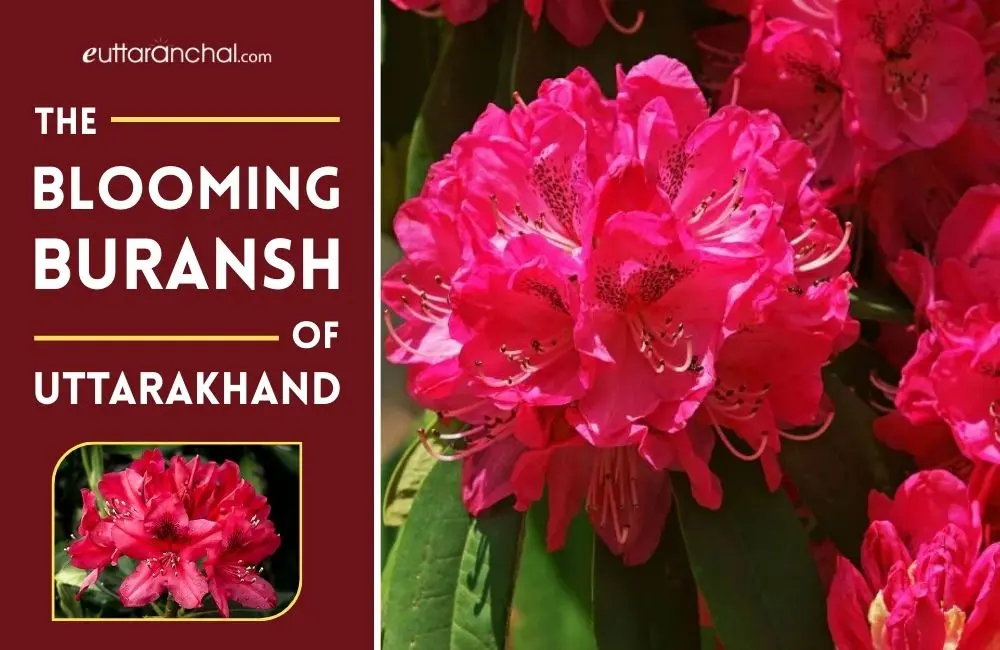
Every spring, the hills of Uttarakhand come alive with the vibrant red blossoms of Burans (Rhododendron arboreum), the State Tree of Uttarakhand. From forests and mountain villages to popular trekking routes, these striking flowers transform the landscape into shades of crimson, making spring one of the most beautiful seasons to visit the Himalayas.
Blooming between February and April depending on altitude, Burans flowers are admired not only for their natural beauty but also for their importance in the culture, cuisine and traditions of Uttarakhand. The flowering season attracts photographers, trekkers and nature lovers from across the country.
Burans (Rhododendron) Blooming Season in Uttarakhand
About Burans (Rhododendron Arboreum)
Burans (Rhododendron arboreum) is an evergreen Himalayan tree that grows naturally in temperate forests between 2,000 and 3,500 metres. During spring, its bright red, pink or occasionally white flowers cover entire hillsides, creating one of Uttarakhand's most spectacular natural displays.
Natural Habitat of Burans
Burans naturally grows across the Himalayan region, including Uttarakhand, Himachal Pradesh, Nepal, Bhutan and parts of Tibet. In Uttarakhand it thrives in cool temperate forests dominated by oak, deodar and pine.
Where is Buransh Found in Uttarakhand
In Uttarakhand, Burans is mainly found in the higher altitude regions with a temperate climate and alpine conditions. Rhododendrons in Uttarakhand are mostly found in elevation from 2000-4000m. There are six species of rhododendrons found in Uttarakhand and among them, the species Rhododendron arboretum Smith, which is also the state tree is the most common one.
Some of the best places to witness Burans blooming include Valley of Flowers National Park, Chopta, Deoria Tal, Harsil, Kausani, Dodital, Munsiyari and several forest trails across Kumaon and Garhwal. Depending on altitude, flowering usually begins in February and continues until April.
Importance of Burans in Uttarakhand
Burans is deeply connected with the culture and traditions of Uttarakhand. Besides being the State Tree, its flowers are widely used for preparing refreshing juices, squash and chutneys that are popular during the spring season. In many Himalayan villages, Burans flowering is also considered a sign of the arrival of warmer weather after winter.
Several local festivals and nature walks are organised during the blooming season, encouraging visitors to experience the colourful forests while supporting eco-tourism and local communities.
Traditional Uses of Burans Flowers
Burans flowers have been used in Uttarakhand for generations to prepare refreshing squash, juice and chutney. Their distinctive sweet-tangy flavour makes them one of the most popular seasonal ingredients in the Himalayan region.
Traditional households also use the flowers in local recipes and during certain religious offerings. While Burans has long been associated with various traditional health benefits in folk practices, visitors should consider these as traditional knowledge rather than medical advice.
Popular Burans Products
- Burans Juice: A refreshing drink prepared from fresh Burans flowers and widely available during spring.
- Burans Squash: A concentrated syrup that can be mixed with water and served chilled.
- Burans Chutney: Prepared using flower petals and local spices, it is a traditional accompaniment with meals.
- Burans Tea: A light herbal infusion made using dried flower petals in some Himalayan villages.
So, this rhododendron season, don’t miss out on the rhododendron flowers, rhododendron chutneys, and authentic rhododendron juices.
Best Time to See Burans Bloom in Uttarakhand
The flowering season usually begins in February in lower Himalayan regions and gradually moves towards higher elevations until April. Weather conditions and snowfall can slightly affect the exact blooming period each year. March is generally considered the best month to witness forests covered with vibrant Burans flowers.
Photography Tips for Burans Bloom
- Visit during early morning for soft natural light.
- Combine Burans flowers with snow-covered Himalayan peaks for dramatic landscapes.
- Explore forest trails instead of highways for the densest flowering trees.
- Avoid plucking flowers while photographing natural blooms.